
A bottled water dispenser pump conveys purified water from large bottles to cups, pitchers, or tanks. These pumps can dispense water at different temps. They are crucial in residences, workplaces, and gatherings for convenient access to quality water. This convenience needs minimal installation.
Click Here To View Bottled Water Dispensing Pump System
The demand for efficient water dispensing is climbing in the US, as people value ease and flavor. You can choose between both jug-based and plumbed models. Bottle-fed dispensers require electricity and bottle swaps, while bottleless models connect to the building’s plumbing and feature filtration.
This article in the US explains bottled pump operations, compares types like various pump brands types, and covers power options. For components or maintenance, Installation Parts Supply.com is a top choice for pump spares and additional requirements mentioned.
Review this brief overview to comprehend bottled water dispenser pump options more clearly. Pick features that suit your needs and learn the basics of troubleshooting and maintenance prior to purchase.
Benefits Of Bottled Vs Bottleless Water Dispensers
Deciding on bottled vs. bottleless water dispensers depends on consumption habits. Small spaces and residences might lean towards portability and ease of setup. Conversely, bigger facilities prioritize a non-stop supply and minimizing waste.
Differences between bottled and bottleless systems
Bottled dispensers use pre-sealed containers, sold in different capacities. They offer cold, hot, or room temperature water and are simple to start using. You just load a jug, plug in, and use.
On the other hand, plumbed-in coolers connect directly to the water line. They include filtration to purify the water and need installation and regular filter changes. This option fits locations requiring a constant water source.
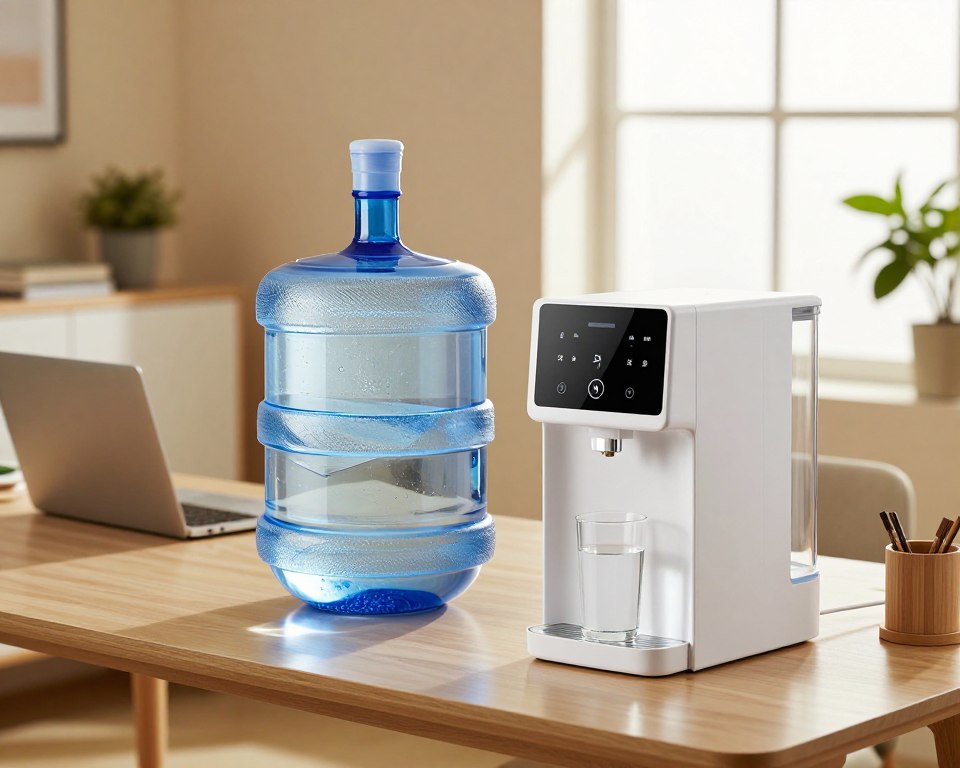
Benefits of bottled water dispensers for flexible placement
No plumbing is needed for these units, rendering them ideal for locations that frequently move things. They’re transportable, suiting reception areas and temporary events.
They ease the load of keeping water at the location. Factory-sealed bottles also reduce the chance of contamination and typically feature spill-proof designs for cleanliness.
Why choose a plumbed-in water cooler
In busy spots like large offices or gyms, the demand surpasses what bottled units offer. A bottleless system satisfies the requirement for heavy use and reduces the reliance on plastic waste.
Eco-conscious establishments choose bottleless coolers. They’re best where built-in filtration is needed to ensure constant availability to purified water, removing the necessity of storing bottles.
Typical settings and use cases in the United States
Jug pumps are seen in small businesses, temporary stores, and home kitchens—locations where permanent piping is impractical. They work well with specific pump units, enhancing mobility.
Mains-fed setups are frequently found in large workspaces, dorms, and commercial food prep areas that are plumbed. They enable a steady flow and are more eco-friendly.
The Role Of Dispenser Pumps
A bottled water dispenser pump transfers water from a jug to your tap or tank. It uses vacuum action, diaphragm displacement, or sealing technology. This keeps the water clean and ensures a steady stream. These devices are built into dispensers for easy, sanitary use.
What A Bottled Water Dispenser Pump Is And How It Works
Devices pull water from containers, directing it to a faucet or internal tank. They utilize diaphragm mechanics to stop pollution. For top-load coolers, the jug is placed upside down on a receiver. With pump kits or bottom-load conversions, heavy lifting is eliminated.
Common Pump Types: Manual, Electric, And Touchless
Manual pumps, driven by pressing, need no power and are inexpensive. Powered pumps, running on mains or battery, keep pressure up for hot and cold water. Touchless pumps, which utilize infrared sensors, provide germ-free dispensing in communal spaces.
Electric systems frequently employ diaphragm-style pumps, famous for consistent pressure. A high-quality pump adapts to various dispensers, from tabletop models to mobile stations. These adaptable designs ensure reliable operation.
Fitting Different Bottle Sizes
Most pumps match 5-gallon jugs and smaller bottles too. Adapters and sealing caps fit 13L containers and various jug types. Various connectors in conversion kits ensure fitment with different openings.
Typical Installation And Replacement Guidance From Installation Parts Supply.com
The supplier advises choosing units that match your system and jug size. Use only safe hoses and BPA-free components. For replacing Flojet-style pumps, ensuring seals and caps are intact is crucial. For mains changes or bottom-load setups, securing professional assistance ensures correct wiring and no leaks.
What To Consider In A Water Pump System
Choosing the perfect pump system requires a balance. Speed, power, cleanliness, and construction are crucial. These factors significantly affect its operation and value in different environments.
Speed and water flow
The flow rate influences not only the dispensing speed and how satisfying the process feels. To decide wisely, look for the gallons or liters per minute for comparison.
High-quality diaphragm pumps are great at providing constant water and clean operation. They are ideal for minimizing spills while dispensing. For robust needs, choose plumbed options; for lighter use, compact pumps suffice.
Power choices: Battery vs. AC
USB pumps are flexible, suitable for places lacking outlets. However, battery options are excellent for easy setups at events or picnics.
AC-powered units are built for relentless operation, with capabilities like temp control. They are perfect with sensor activation for busy or communal areas.
Hygiene features: no-spill caps, enclosed spouts, touchless operation
To limit contamination, opt for sealed pump systems and tight fittings. Enclosed spouts and high-quality seals also offer protection from pollutants, preserving water’s taste.
Touchless units reduce the spread of germs in shared spaces. Combining these with regular cleansing routines heightens safety.
Durability and materials
Select pumps constructed from safe polymers, food-grade silicone, and stainless steel. These materials ensure safety and toughness with frequent use.
Opt for designs that promise longevity via sturdy casings and replaceable components. Buying genuine spares from reputable sellers ensures your system remains within warranty and runs well.
When checking choices, examine pump specs and ensure the use of compatible parts like a water pump flojet. Additionally, double-check warranty details for the unit.
How To Choose The Right Water Bottle Water Pump For Your Space And Usage
Selecting the right dispenser involves considering the user count, dispense rate, and placement. Match the tank size and pump output with your daily demand. For apartments and quiet offices, a simple water bottled pump or a standard unit works well. However, high-traffic spots need dispensers with faster output.
To gauge daily needs, calculate the water usage in liters. A household of four typically needs 13L–18.9L bottles with a compatible pump. On the flip side, high-demand areas like staff kitchens or hotel breakfast nooks benefit from bigger reservoirs or plumbed lines, providing quick access to both hot and chilled water on demand.
Considerations for offices, hospitality, and residential use
Workplaces require reliable, hands-free dispensers with maintenance agreements and robust parts. Hotels and dining venues prioritize quick service, visually appealing units, and options, like chilled or sparkling water options. Homes often opt for portable bottled water pumps, prioritizing small, independent units.
Saving energy and going green
Evaluate the power consumption of devices in both standby and operational modes. Ambient pumps use less electricity. To cut down on plastic jugs, consider installing bottleless systems. Invest in energy-saving compressors and efficient pumps to lower both costs and environmental footprint.
Setup and care advice
Bottled water pumps are simple to install: just attach a bottle and turn it on. Plumbed units may require expert installation. In the US, suppliers provide installation help, replacement parts, and service plans. Regular upkeep, including filter swaps and sanitizing, guarantees reliable performance over time.
Common Troubleshooting, Maintenance, And Parts Replacement
Small issues in pumps can often be traced to basic problems. First verify the electricity, buttons, and check airflow. A blocked tube or an worn gasket could disrupt flow. In units connected to the mains, clogged filters and scale buildup can lower flow and affect water delivery.
Diagnosing Pump Failures
Broken pumps could simply be unplugged or turned off. Compressors need sufficient space around them to work well, preventing short cycling. Portable pumps stop working when batteries die. For dispensers connected directly to the water supply, old filters, buildup of scale, or issues in the plumbing can decrease pressure.
Repairing Non-Working Pumps
Begin troubleshooting by ensuring the power supply is intact, testing all switches, and checking charger connections for cordless models. Ensure inlet tubing and spouts are clear from any obstructions. To solve leakage issues, replacing no-spill caps or bottle seals often works, stopping the leak.
For pressure pumps, like those of the Flojet model, checking and swapping the internal rubber parts is essential. These parts degrade, reducing vacuum and output. A common repair for a water pump flojet means buying new diaphragms or valve kits, sold by Installation Parts Supply.com, which caters to a variety of models.
Wireless pumps perform best with new cells or a full charge. If a dispenser connected to the mains exhibits low flow, replacing inline filters or cartridges per the manual is advised. Check filter compatibility the unit specifications to keep it running well.
Cleaning, Sanitizing, And Filter Replacement Best Practices
Clean often tanks, spouts, and bottle-contact points to prevent biofilm formation. Utilize food-grade cleaners and adhere to guidelines from the health agencies or maker for safe water systems. Buttons and levers that are touched often need cleaning more often.
Depending on usage and the water source, change sediment, carbon, and ultrafiltration cartridges accordingly. Maintaining a log for service dates helps tracking. Keeping the system clean and timely filter swaps helps maintain both water flow and quality.
Sourcing Authentic Pump Parts
Always choose parts that correspond to your dispenser’s model number and specs. Pick safe parts to guarantee safety and warranty compliance. For trustworthy parts, like pumps and hoses, check out Installation Parts Supply.com.
If you’re replacing a pump in a dispenser that’s plumbed in, getting a pro might be wise. They can prevent leaks and electrical risks, making sure the replacement, whether a specific water pump flojet or a generalized repair, is correctly installed.
Final Thoughts
Selecting the right bottled water dispenser pump is essential. It relies on its placement and purpose. Portable setups or spaces lacking plumbing benefit greatly from a jug pump. It’s easy to install and gives fast water. For users wanting high volume, minimal plastic use, and top-notch filtration, a plumbed cooler is advised.
It’s crucial to match the pump type and flow with your demand. Manual or battery-powered pumps are suitable for lighter usage. However, electric diaphragm pumps are ideal for busy spots like workplaces. Choosing a dispenser pump involves considering the flow rate, power type, and features like sensor use and no-spill caps for cleanliness.
Caring for your water system is key to ensuring excellent water taste and longevity. Regular cleaning, timely filter changes, and genuine parts are required. For those in the U.S. searching for diaphragm pumps, Flow Jet options, hoses, or installation advice, rely on trusted vendors. They can supply the needed parts to keep your system functioning well.
Related: Shurflo Water Pump Diagram: How to Disassemble and Reassemble